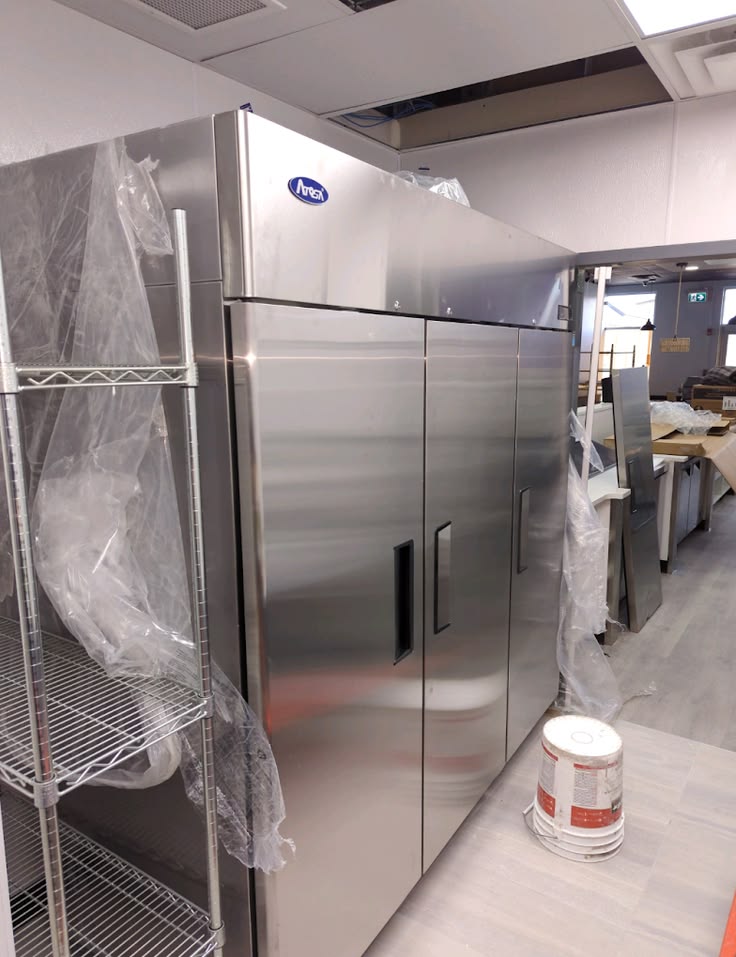
A commercial refrigerator is essential for restaurants, hotels, cafés, bakeries and catering businesses. When it fails, ingredients may spoil, service can be disrupted and operating costs can rise.
Many refrigeration problems develop gradually because of poor airflow, dirty components, damaged door seals or missed maintenance. Recognising early warning signs helps you arrange repairs before a minor fault becomes a major breakdown.
1. The Fridge Is Not Cooling Properly
One of the most common problems is a refrigerator that cannot maintain its intended temperature. Possible causes include obstructed airflow, dirty condenser coils, a faulty fan, a damaged door seal or a refrigeration-system fault.
Start by checking that the appliance is receiving power, the temperature setting is correct and food is not blocking internal vents. If the temperature remains outside the required range, arrange a qualified technician’s inspection.
Monitor and record temperatures according to your food-safety procedures. If food has been held at unsafe temperatures, assess its safety before using it.
2. Excessive Ice Build-Up
Ice on evaporator surfaces or inside the cabinet may indicate a defrost problem, a door that does not close properly or moisture entering the appliance too frequently.
Check that doors close completely and that staff avoid leaving them open unnecessarily. Do not remove heavy ice using sharp objects, which can damage components or refrigerant lines.
Persistent icing should be assessed by a technician, especially if the unit has an automatic defrost system.
3. Water Leaks
Water collecting inside or around a refrigerator can result from a blocked drain, damaged drain connection, condensation or a defrost issue.
Keep drainage openings clear according to the manufacturer’s cleaning instructions. Check that the appliance is installed on a suitable, level surface and that door seals are intact.
If water continues to leak, arrange a service inspection to identify the cause and prevent damage to floors and nearby equipment.
4. Unusual Noise or Vibration
Rattling, grinding or unusually loud humming may indicate a loose component, a fan problem, poor positioning or compressor-related trouble.
Check whether the appliance is stable and whether anything is touching the cabinet or fan cover. Do not dismantle electrical or refrigeration components yourself. Persistent or sudden unusual noises should be investigated by a qualified technician.
5. Damaged Door Seals
Worn or torn gaskets allow warm air to enter the refrigerator. This can lead to temperature fluctuations, condensation, ice build-up and increased energy consumption.
Inspect the seals regularly for cracks, dirt or sections that no longer make proper contact. Clean them according to the manufacturer’s guidance and replace damaged seals promptly.
6. Dirty Condenser Coils and Restricted Airflow
Dust and grease can accumulate around condenser coils, especially in busy commercial kitchens. Restricted airflow can reduce cooling efficiency and place additional strain on the refrigeration system.
Follow the manufacturer’s recommended cleaning schedule. Keep the required clearance around the appliance and avoid storing items against ventilation grilles.
7. Poor Temperature Management
Overloading a refrigerator, putting in large quantities of warm food or frequently opening doors can affect temperature recovery.
Organise stock to allow air circulation and use suitable procedures for cooling food before refrigeration. Do not rely only on the display: verify temperatures using an appropriate thermometer and follow your food-safety plan.
8. Preventive Maintenance Checklist
Use the following routine as a starting point, adjusting it to the manufacturer’s instructions and operating conditions.
- Daily: Check and record temperatures, inspect doors and remove spills.
- Weekly: Clean accessible surfaces, check seals and confirm that airflow is not blocked.
- Periodically: Clean condenser components as instructed and inspect the surrounding area.
- As scheduled: Arrange professional maintenance and investigate unusual changes in noise, temperature or energy use.
If you are planning to purchase a replacement unit, read our guide to commercial fridge prices in Kenya. For broader purchasing advice, see where to buy commercial kitchen equipment in Nairobi.
When choosing equipment, consider the storage volume you need, ventilation clearance, temperature performance, warranty and availability of spare parts. Our guide to second-hand commercial kitchen equipment explains why condition and service history matter when buying used appliances.
Keep Your Commercial Fridge Reliable
Regular cleaning, temperature checks and timely servicing can help reduce avoidable downtime. When a fault persists, use a qualified refrigeration technician rather than repeatedly resetting the appliance or attempting repairs beyond your training.
Call 0717 044 443 or WhatsApp Us to discuss commercial kitchen equipment and refrigeration planning. Visit Commercial Kitchens Kenya for more information.